


Table of Contents
- Why Serious Lifters Need a Gymshark Alternative
- Best Gym Clothes for Weightlifting: What Actually Holds Up
- Durable Workout Clothes for Lifting: Fabric, Seams, and Wash Tests
- Gymshark vs Barbell Apparel for Lifters: A Direct Comparison
- Affordable Gymshark Alternatives: Price and Value Breakdown
- Top Gymshark Alternative Picks for Heavy Training
- Sizing, Fit, and Body Inclusivity for Lifters
- Conclusion
- Frequently Asked Questions
Last Updated: October 19, 2026
Why Serious Lifters Need a Gymshark Alternative
If you're chasing a Gymshark alternative for serious lifters, the reason is usually simple: the gear looks great on a photo shoot and gives out under a loaded bar.
That gap matters. Serious lifters need gym clothes that survive chalk, sweat, friction, and repeated washing without losing shape.
This guide from Iron Gods breaks down what actually holds up for heavy lifting, compares the real trade-offs, and names the best gym clothes for weightlifting at each price point.

Best Gym Clothes for Weightlifting: What Actually Holds Up
The best gym clothes for weightlifting prioritize four things: a fabric that stretches without going sheer, seams that survive tension, a waistband that stays put, and a fit that clears your range of motion. Aesthetics come last.
But generic advice like "look for spandex" doesn't help when you're deciding between two pairs of shorts. Serious lifters need garment-level criteria. Here's what to check before you buy, broken down by the specific failure points that matter under a loaded bar.
Leggings and Shorts: Squat-Proof Coverage and Waistband Stability
The two most common failures in lower-body lifting apparel are sheerness under tension and waistband roll-down during squats and pulls. To avoid them:
- Squat-proof coverage: Look for dense knits with a high spandex content (typically 20% or more). Darker colors and double-layer gussets add opacity. A simple test: stretch the fabric across your knuckles under bright light. If you can see skin clearly, it will go sheer under a loaded squat.
- Waistband stability: A wide, flat waistband with an internal drawstring prevents roll-down. Avoid narrow elastic bands that dig in and fold over during hip-hinge movements. Look for a waistband that sits at or above the hip bone and stays put when you sit into a deep squat.
- Seam placement: Gusseted crotches and flatlock seams reduce friction and blowout risk. Single-stitched seams at the crotch are the first thing to fail on cheap shorts and leggings.
Tops: Range of Motion and Seam Durability
For lifting tops, the key is stretch recovery, the fabric should return to its original shape after being stretched across your shoulders and chest. Look for:
- Fabric blend: A poly/spandex mix (like the 60/40 blend in Iron Gods' Dri-Fit tees) provides stretch and recovery without sagging. Cotton feels soft but holds sweat and loses shape.
- Seam construction: Flatlock or reinforced seams at the shoulder and armpit resist the pulling that happens during overhead presses and pulls. Single-stitched seams at high-stress points are a red flag.
- Fit for muscle: A shirt that fits your frame without restricting movement is better than a tighter one that binds. Check the fit description, fitted performance tees and relaxed cotton tees size differently by design.
Lifting Accessories: Belts, Straps, and Sleeves
Accessories are part of the apparel equation for serious lifters. A lifting belt should be stiff enough to brace against but not so thick that it digs into your ribs. Straps should be made of heavy-duty nylon or cotton webbing that doesn't stretch under load. Knee sleeves should provide compression without cutting off circulation. These items are often overlooked in brand roundups, but they matter as much as your shirt and shorts.

Why This Matters More Than Brand
Most guides miss the point: a shirt that looks tight in a mirror shot isn't the same as one that survives a five-rep max. Test for stretch recovery, not just stretch. And don't assume a brand known for general fitness applies the same standards to its lifting line. Evaluate each garment on its own construction, not the logo on the tag.
Durable Workout Clothes for Lifting: Fabric, Seams, and Wash Tests
Durable workout clothes for lifting fail in predictable places: the crotch seam, the armpit, and the waistband elastic.
Fabric. Cotton feels soft but sags and holds sweat. Poly blends with spandex keep their shape and dry faster. Iron Gods' heavyweight tee is a 6 oz. 100% US cotton option for lifters who want a relaxed, street-ready fit, while the performance tees use poly/spandex for training days.
Seams. Look for double-stitched or flatlock seams at high-stress points.
Wash durability. Heat and harsh detergent break down elastic and fade prints.
A common mistake is judging durability by feel alone. A soft, heavy fabric can still have weak seams. Check both.
| Failure Point | What Causes It | What to Look For |
|---|---|---|
| Crotch seam blowout | Single stitching, thin fabric | Double-stitched or gusseted seams |
| Waistband roll | Weak elastic, no drawstring | Wide band or drawstring waist |
| Fabric sheerness | Thin knit, high stretch | Dense knit, darker color |
| Faded print | Hot wash, dryer heat | Cold wash, air dry |
Gymshark vs Barbell Apparel for Lifters: A Direct Comparison
The Gymshark vs Barbell Apparel for lifters debate comes down to intent. Gymshark leans toward general fitness aesthetics and broad appeal. Barbell Apparel built its identity around lifters with athletic builds, emphasizing stretch and fit for muscular frames.
Here's the practical difference for a serious lifter:
- Gymshark wins on style range and mainstream availability, but its core line targets general training, not max-effort lifting.
- Barbell Apparel targets the lifter physique with stretch-focused denim and athletic fits, though its pricing runs higher.
- Iron Gods sits in the lifter-first lane: heavyweight and fitted options, Dri-Fit performance tees, and a brand built around strength and discipline rather than mass-market appeal.
What most comparisons skip is the fit-for-muscle question. If you carry size in your shoulders and chest but a narrower waist, generic sizing fails you. That's the real differentiator, not the logo.

Affordable Gymshark Alternatives: Price and Value Breakdown
Affordable Gymshark alternatives exist, but "cheap" and "value" aren't the same thing. Value means cost per durable wear, not the lowest sticker price.
Iron Gods' pricing is transparent and lifter-focused:
Iron Gods Strife Workout T-Shirt →
- Tees: $26.98 to $30.00, including the Strife, Engage, and Assault Dri-Fit shirts and the heavyweight cotton tee.
- Tank tops: $28.00 for the Make Peace W/ The Pain and Official Logo tanks.
- Joggers: $39.99 for the Strife Slim Fit Joggers.
A $30 tee that survives a year of heavy training costs less per wear than a $15 shirt that tears in two months. That's the value math most budget shoppers miss.
| Garment | Iron Gods Price | Best For |
|---|---|---|
| Strife / Engage / Assault Dri-Fit Tee | $30.00 | Fitted training, moisture wicking |
| Heavy Weight Faded Logo Tee | $30.00 | Relaxed fit, street or gym |
| Make Peace W/ The Pain Tank | $28.00 | Heavy lifting, breathability |
| Strife Slim Fit Joggers | $39.99 | Warm-ups, ease of motion |
Top Gymshark Alternative Picks for Heavy Training
The top picks for heavy training combine stretch, durability, and a fit that clears your range of motion.
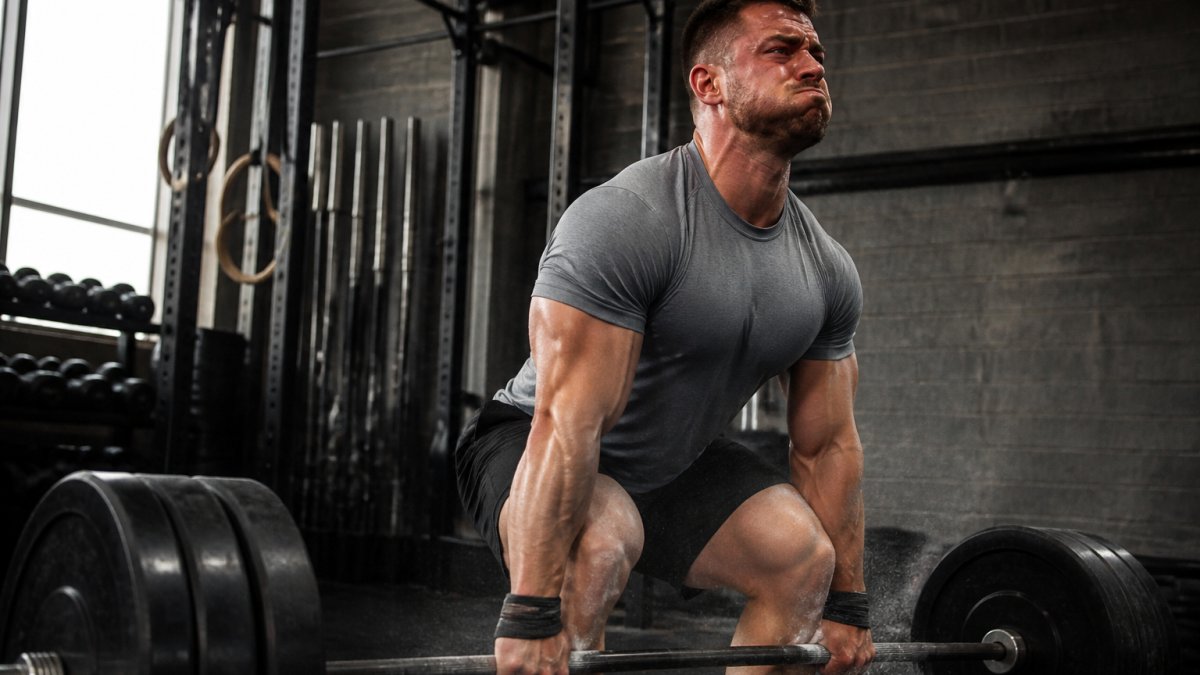
Iron Gods Strife Dri-Fit Workout T-Shirt ($30.00). The 60/40 poly/spandex blend fits like a second skin and highlights your physique without restricting movement.
Iron Gods Assault Dri-Fit Tee ($30.00). Same performance blend in black with camo sleeves.
Iron Gods Strife Slim Fit Joggers ($39.99). A lightweight 80/20 poly blend with a drawstring waistband for warm-ups and ease of motion.
Sizing, Fit, and Body Inclusivity for Lifters
Sizing is where most lifter apparel fails. If you carry muscle in your shoulders and chest but a narrower waist, standard sizing gives you a shirt that's tight in the arms and baggy in the torso. The result is a garment that restricts movement or looks sloppy, neither of which you want under a bar.
The Problem with Standard Sizing
Most activewear brands size for a general fitness population, not for lifters with developed shoulders, chests, and thighs. A size medium from a mainstream brand may fit a casual gym-goer perfectly but bind across the lats of someone who deadlifts regularly. This isn't about being "too big" for the size, it's about the garment's cut not matching a lifter's proportions.
How to Choose the Right Size for Your Build
Instead of ordering by chest measurement alone, use the following approach:
- Check the fit description for each garment. Fitted performance tees and relaxed cotton tees size differently by design. A fitted Dri-Fit tee may run close to the body, while a heavyweight cotton tee offers more room through the torso.
- Measure your chest and waist, then compare to the size chart. If you're between sizes, size up for fitted performance wear to preserve range of motion, and consider your preferred fit for relaxed styles.
- Read reviews for fit consistency. Look for comments about whether a garment runs true to size, small, or large. This is especially important for brands with limited physical retail presence.
Body Inclusivity: What to Look For
Body inclusivity in lifting apparel means offering a range of sizes that accommodate different builds and providing clear fit guidance. When evaluating a brand:
- Check the size range. Does the brand offer sizes that fit larger, more muscular frames? A size range that stops at XL may not serve lifters with broader builds.
- Look for fit-specific lines. Some brands offer "athletic fit" or "muscle fit" lines that accommodate larger shoulders and chests without excess fabric at the waist.
- Review the return policy. If you're unsure about sizing, a brand with a straightforward return or exchange policy reduces the risk of ordering the wrong size.
Iron Gods' Approach to Fit
Iron Gods addresses this with two fit lanes: fitted Dri-Fit tees that follow your physique, and a relaxed heavyweight cotton tee for lifters who want room through the torso. The key is matching the fit to the garment, not forcing one size across every style. For lifters with larger builds, the relaxed heavyweight tee provides extra room without sacrificing durability, while the fitted Dri-Fit line is designed to move with you during heavy training.
The Takeaway
Sizing and fit are not afterthoughts, they're part of the garment's performance. A shirt that fits your frame and moves with you is safer and more durable than one that binds or sags. Read the fit notes, check the size range, and choose the lane that matches your build.
Conclusion
The right gear should remove distractions, not create them. If your current activewear goes sheer under a squat or tears at the crotch seam, it's time to switch to apparel built for the grind.
Iron Gods makes premium gym apparel engineered for lifters: Dri-Fit performance tees that wick sweat and hold their fit, a heavyweight cotton tee for relaxed training, and joggers built for motion.
Get started with Iron Gods and train in gear that holds up when the bar gets heavy.
Frequently Asked Questions
Which Gymshark alternatives are best for serious lifters?
The best Gymshark alternative for serious lifters prioritizes fabric durability, seam construction, and fit that allows full range of motion. Look for moisture-wicking blends like 60/40 poly/spandex for stretch, reinforced stitching at stress points, and cuts that accommodate larger shoulders and arms without being baggy at the waist. Iron Gods offers several options built for this, including the Strife and Assault dri-fit tees at $30, which use a 60/40 poly/spandex blend designed to highlight physique and handle intense sessions.
Is Barbell Apparel better than Gymshark for lifting?
Barbell Apparel and Gymshark serve different lifting needs. Barbell Apparel focuses on durable, heavier fabrics with a more relaxed fit, while Gymshark leans toward lightweight, stretchy activewear with a fashion-forward cut. For heavy lifting, the decision comes down to fabric weight and seam strength. Iron Gods sits in the middle with heavyweight cotton tees like the 6 oz. Heavy Weight Faded Logo Tee at $30 and performance dri-fits at the same price, giving lifters options for both street wear and training.
What should serious lifters look for in gym clothes?
Serious lifters should check four things: fabric composition (poly/spandex blends for stretch and moisture wicking), seam construction (flatlock or reinforced seams to prevent tearing under load), fit around the shoulders and chest (room to move without excess fabric at the waist), and wash durability (colorfastness and shape retention after repeated cycles). Iron Gods uses 60/40 poly/spandex in its dri-fit line and 50/50 cotton/poly in its tanks, both designed for repeated heavy use.
Are Gymshark clothes good for weightlifting?
Gymshark clothes work for general gym sessions, but serious lifters often find the lightweight fabrics and fashion-focused cuts less durable under constant heavy loading. The brand's leggings and tops prioritize aesthetics and stretch, which suits cardio and moderate training. For powerlifting or bodybuilding with heavy compound lifts, thicker fabrics and reinforced seams matter more. Iron Gods builds its gear specifically for this audience, with heavyweight cotton tees and durable poly blends at $26.98 to $39.99.
What are affordable alternatives to Gymshark?
Affordable Gymshark alternatives typically range from $25 to $40 for tops and $40 to $60 for bottoms. Iron Gods offers several options in that range: the Make Peace With The Pain Workout Shirt at $26.98, the Logo Workout T-Shirt at $28, and the Strife Slim Fit Joggers at $39.99. These pieces use durable blends and in-house screen printing, which keeps costs down without sacrificing the fabric quality serious lifters need for heavy training.


0 comments