


Table of Contents
- Why the Right Fit Matters More Than the Brand
- Matching Gym Clothes to Your Body Shape and Training Style
- Is It Better to Size Up or Down in Activewear?
- How to Choose Durable Lifting Tees
- What to Wear to the Gym for Beginners
- The Fitting-Room Checklist: Movement Tests That Reveal True Fit
- Fit Changes After Washing and Wear
- Find Your Fit and Train Like a God
- Frequently Asked Questions
Last Updated: November 7, 2026
Why the Right Fit Matters More Than the Brand
Learning how to find gym clothes that fit starts with one hard truth: a bad fit ruins a good lift. Gear for lifters who care about how a shirt moves with them, not just how it looks on a hanger. A shirt that rides up during overhead press or pinches at the shoulders during a deadlift pulls your focus away from the bar. The brand on the tag means nothing if the garment fights your body.
The Cost of a Bad Fit in the Gym
Poor-fitting gym clothes cost you in ways you feel before you see. A tight collar can limit head movement on squats. A loose waistband can slip mid-set. Chafing along seams turns a good session into a painful one. The wrong fit also shortens the life of your gear. Fabric under constant strain at the seams wears out faster. So fit is not vanity. It is function.
Matching Gym Clothes to Your Body Shape and Training Style
Body shape and training style should drive every fit choice you make. A lifter with broad shoulders and a narrow waist needs a different cut than someone with a straighter torso. The same goes for training type. Strength work demands give in the shoulders and hips. Running and cardio call for lighter, more breathable fabric. Walk into any gym and you will see people fighting their clothes between sets. The fix starts with knowing your shape and how you train.
The practical approach is to treat fit as a set of measurements and proportions, not a label. Measure your chest, waist, hip, inseam, and torso length, then compare those numbers to garment measurements rather than relying on S/M/L.
Fit by Body Type: Shoulders, Waist, and Thighs
- Broad shoulders, narrow waist: Look for stretch fabric in the chest and arms. Check that the hem does not balloon out. A raglan or drop-shoulder seam often gives more room through the delts without pulling at the neck.
- Straight torso: Fitted cuts work well. A snug fit shows shape without pulling. Look for side seams that sit vertically rather than bowing outward.
- Larger thighs: Choose shorts and joggers with a bit of stretch and a gusseted crotch. Check that the inseam does not twist and that the thigh opening clears your leg without riding up.
- Shorter frame: Watch the inseam on joggers and shorts so fabric does not bunch at the knee. A shorter rise and a tapered leg usually fit better than a standard cut.
- Tall frame: Check torso length and sleeve length first. A top that fits in the chest but ends above the waistband will ride up on every overhead rep.
- Plus-size: Prioritize garments with four-way stretch, flatlock seams, and a waistband that stays put without digging. Look for size charts that list garment measurements, not just body measurements, so you can compare against a piece you already own.
Our Strife Slim Fit Joggers are built for lifters who want a close fit through the legs without losing room to move.

Matching Fit to Your Training Style
Training style changes what "fit" means. For heavy strength work, you want fabric that gives at the shoulders and hips and a hem that stays put through a squat or overhead press. For running and conditioning, prioritize breathability, moisture management, and a fit that does not chafe over repeated strides. For mobility work and calisthenics, choose a looser cut through the arms and legs so nothing binds at end-range positions.
Watch out: sizing down to get a "compression" feel in a fabric with low stretch can restrict range of motion and put extra strain on seams, especially at the shoulders and crotch.
Is It Better to Size Up or Down in Activewear?
Size up in activewear if you want room through the chest and hips. Size down only if you want a compression feel and the fabric has real stretch. For most lifters, the right call is true to size in a stretch blend. A 60/40 poly/spandex shirt, like the ones we make, flexes with your body.
The compression versus loose debate matters here. Compression supports muscles and stays close to the body. Loose cuts breathe more but can snag on equipment. Pick based on your training, not the size chart alone. If you are weighing the two styles, our guide on compression shirts vs loose shirts for lifting breaks down which works for which session.
How to Choose Durable Lifting Tees
Durable lifting tees start with fabric and stitching. Look for a stretch blend with moisture-wicking properties. Check the seams at the shoulders and underarms, since those take the most strain. A good tee recovers its shape after a stretch. A cheap one stays stretched out.
Fabric, Stitching, and the Squat Test
Here is how we would check a tee before buying:
- Stretch test: Pull the fabric at the chest and let go. It should snap back.
- Seam check: Run a thumb along the shoulder seams. Flat, tight stitching lasts longer.
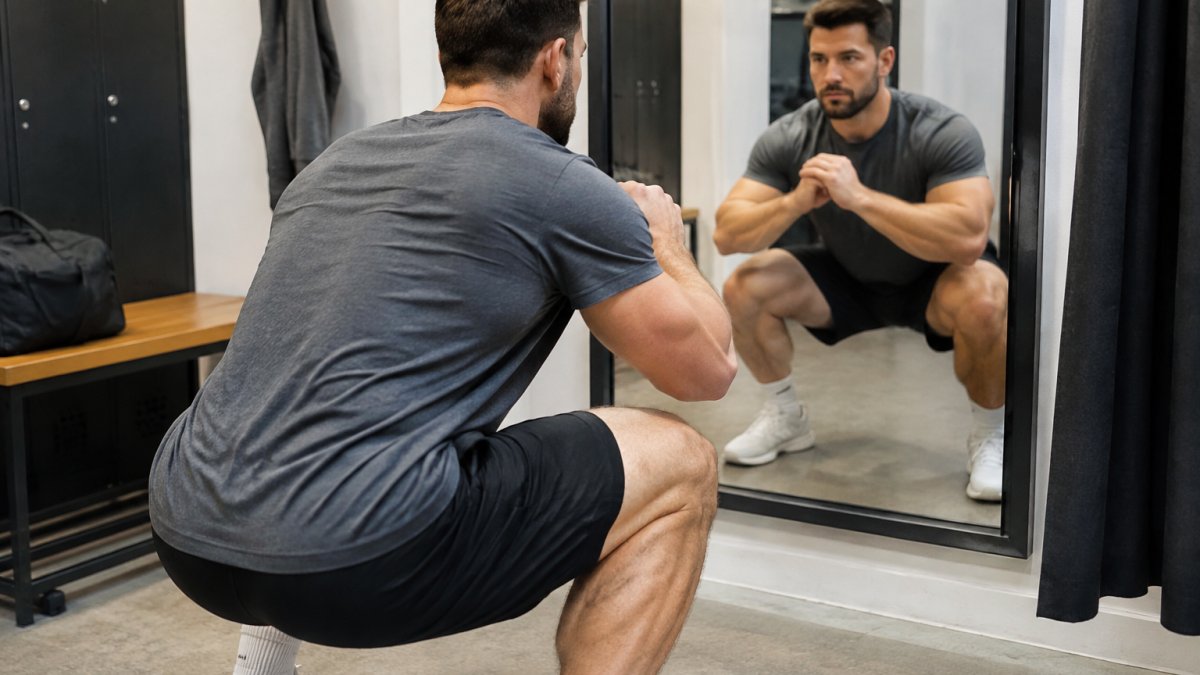
- Squat test: Reach overhead and squat down. The hem should stay put and the shoulders should not pull.
- Opacity check: Hold the fabric up to light. You should not see through it.
For a deeper look at fabric and stitching, read our full guide on how to choose durable lifting tees. Our Strife Workout T-Shirt uses a 60/40 poly/spandex blend with moisture-wicking and quick-dry properties.

What to Wear to the Gym for Beginners
Beginners should start with a few simple pieces that move well and feel comfortable. You do not need a full wardrobe on day one. Pick a breathable top, bottoms with stretch, and supportive shoes. Keep it simple and build from there.
- Top: A moisture-wicking tee or tank that fits snug but not tight.
- Bottoms: Shorts or joggers with stretch and a secure waistband.
- Underlayer: A sports bra with real support if you need one.
- Shoes: Flat, stable shoes for lifting. Cushioned shoes for running.
The goal is comfort and coverage so you can focus on form. For more on starter gear, see what to wear to the gym for beginners if you want a closer look at building a first kit.
The Fitting-Room Checklist: Movement Tests That Reveal True Fit
A fitting-room checklist turns guesswork into a clear yes or no. Try these movement tests before you buy:
- Overhead reach: Raise both arms. The shirt should not ride up past your waist.
- Deep squat: Squat down. Check that the fabric stretches without pulling at the knees.
- Arm circles: Roll your shoulders. No pinching at the armpits.
- Twist test: Turn your torso side to side. The waistband should stay put.
- Bend test: Touch your toes. Check for gaping at the back of the waist.
- Walk and jog: Move for 30 seconds. Feel for chafing at the seams.
- Lunge test: Step forward into a lunge. Check that the shorts or leggings do not slide down and that the fabric does not go transparent at the knee.
- Seam and waistband check: Run a thumb along the waistband and inseams. Flatlock or bonded seams reduce chafing; a waistband that rolls or digs will only get worse once you sweat.
Online Shopping: Measurements and Size Charts
Online shopping works if you measure first, and the method matters more than the size label.
The more reliable check is garment measurements. Many size charts list the actual flat measurements of the garment, such as chest width, body length, and inseam. Compare those numbers to a piece you already own that fits well.
When you are between sizes, decide by garment and use. For training tops, go with the larger size so you keep range of motion through the shoulders.
Watch out: return policies vary, and washed or worn items are often non-returnable, so check the policy before you commit and try items on over your existing gym clothes if you plan to test movement.
Fit Troubleshooting by Garment Area
When a garment almost fits, the fix is usually specific to the area. A rolling waistband often means the rise is too short or the band lacks structure; look for a wider, flat waistband or an internal drawcord. Leggings that slide down usually have too little stretch recovery or a waist that is too loose relative to the hip; check that the fabric snaps back after you pull it. A gaping top at the back of the waist often means the torso length is too long or the cut is too straight; a shorter hem or a curved hem can help.
Run these movement tests before you buy to turn fit guesswork into a clear yes or no.
| Test | What to do | What to check |
|---|---|---|
| Overhead reach | Raise both arms | Shirt should not ride up past your waist |
| Deep squat | Squat down | Fabric stretches without pulling at the knees |
| Arm circles | Roll your shoulders | No pinching at the armpits |
| Twist test | Turn your torso side to side | Waistband should stay put |
| Bend test | Touch your toes | Check for gaping at the back of the waist |
| Walk and jog | Move for 30 seconds | Feel for chafing at the seams |
| Lunge test | Step forward into a lunge | Shorts or leggings do not slide down or go transparent |
| Seam and waistband check | Run a thumb along waistband and inseams | Flatlock or bonded seams reduce chafing |
Fit Changes After Washing and Wear
Fit changes after washing and wear, and how you care for gear decides how much. A tee that fit well on day one can shrink or sag after months of hot washes. Check the label and follow it.
If a garment starts to tear at the seams after washing, our guide on how to prevent gym shirt tearing covers the fixes that actually work.
Find Your Fit and Train Like a God
The right fit is the difference between fighting your clothes and focusing on the bar. Measure yourself, test the fabric, and run the movement checks before you commit. Gear that fits your body and your training lets you push harder with nothing in the way.
At Iron Gods, we build heavyweight, fitted gym apparel for lifters who train with purpose. Our tees use moisture-wicking, quick-dry fabric. The fit is designed to show your physique. You are stronger than your excuses.
Get started with Iron Gods and train in gear built for your grind.
Frequently Asked Questions
How should gym clothes fit for lifting?
Lifting clothes should fit snugly without restricting movement. The fabric should stretch with you through a full range of motion, and seams should not dig in. Check that the waistband stays put during squats and that sleeves don't bind at the shoulders. A good fit feels like a second skin, not a straightjacket. Always test with movement: squat, reach overhead, and row. If anything pulls or gaps, size up or try a different cut.
Is it better to size up or down in activewear?
Size up if you're between sizes or want a looser fit for comfort. Size down only if you prefer a compressed feel and the fabric has high stretch. For lifting, a snug fit that moves with you is ideal, but never sacrifice range of motion. Check the size chart and customer reviews for guidance. Remember that some fabrics relax after washing, so a slightly tight fit may become perfect.
What should a beginner wear to the gym?
Beginners should wear comfortable, breathable clothes that allow full movement. Start with a moisture-wicking t-shirt and flexible shorts or joggers. Avoid cotton that holds sweat. Choose shoes with flat soles for lifting. Bring a towel and water. As you progress, you can invest in specialized gear like lifting tees and supportive bottoms. The key is to feel confident and unrestricted.
How can you tell if leggings or shorts fit properly?
Properly fitting leggings or shorts stay in place during squats and lunges without needing constant adjustment. The waistband should not roll down, and the fabric should be opaque when stretched. Check for a snug fit through the hips and thighs without being restrictive. Perform a squat test in front of a mirror to ensure coverage. If you see sheerness or feel digging, try a different size or brand.


0 comments