


Last Updated: October 28, 2026
Quick Summary
A GASP alternative is any gym apparel brand that matches the cut, fabric weight, and durability of premium bodybuilding clothing without the same price tag or distribution limits. Look for heavyweight knits with stretch recovery and check shoulder width, upper-arm circumference, and torso taper rather than chest size alone.
- Fabric under roughly 180 GSM feels thin under a loaded bar and shows sweat instantly.
- Bodybuilding-focused knits often sit in the 200-260 GSM range to hold shape under load.
- Gymshark runs more forgiving through the waist and offers more sizes than bodybuilding cuts.
- Compare cost per training month instead of quoting specific prices when judging value.
- Load-bearing gear is selected by working load limit, not fabric weight.
Table of Contents
- What a GASP Alternative Actually Means for Lifters
- What to Look for in Heavy Lifting Gym Apparel
- GASP vs Gymshark: Where Each Brand Fits Your Training
- GASP vs Barbell Apparel: Cut, Fabric and Price
- Best Bodybuilding Clothing Brands and What Sets Them Apart
- Mistakes to Avoid When You Swap Brands
- Finding Your GASP Alternative in the Iron Gods Range
- Frequently Asked Questions
What a GASP Alternative Actually Means for Lifters
If you are hunting for a GASP alternative for heavy lifting gear, you are probably frustrated with paying premium prices for gym apparel that does not survive a real training block.
First, a definition. A GASP alternative is any gym apparel brand that matches the cut, fabric weight, and durability of premium bodybuilding clothing without the same price tag or distribution limits.
Here is the honest starting point: most lifters do not need a new brand. They need a better filter for choosing one. That is one problem this guide addresses.
Below, we cover the fabric specs, fit checks, and brand comparisons that matter, plus the mistakes that waste your money. If you want the wider context on alternative brands first, read our Gymshark alternative guide for serious lifters before you compare specific names.
What to Look for in Heavy Lifting Gym Apparel
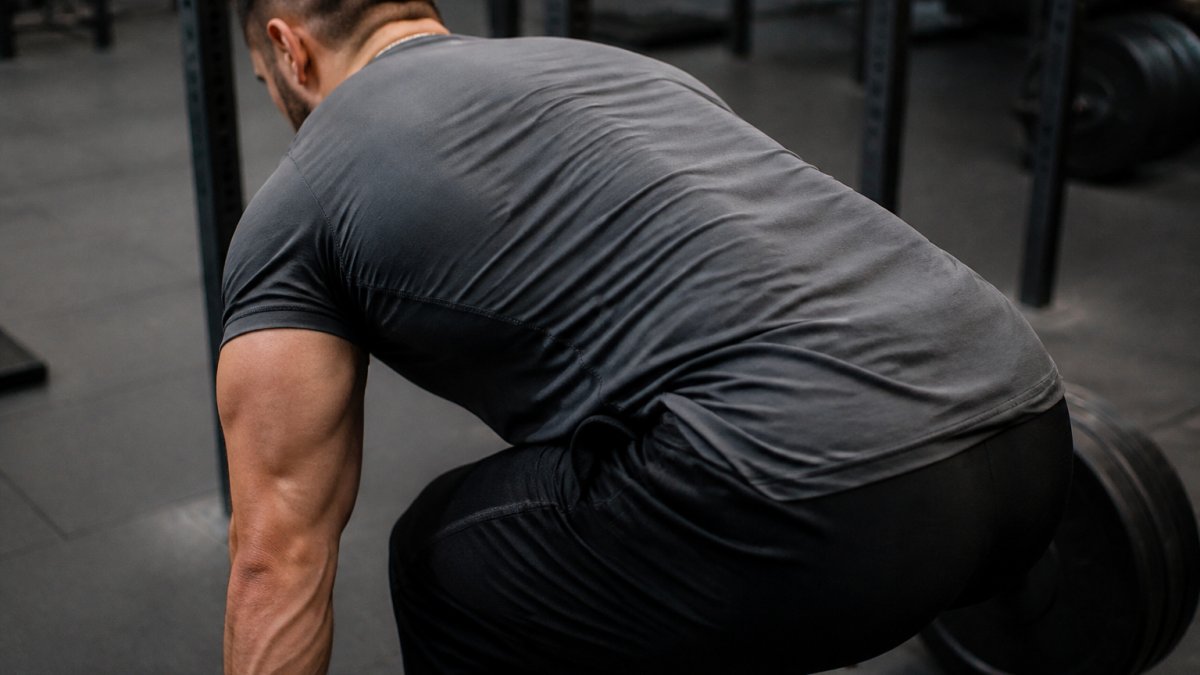
The most important spec in heavy lifting gym apparel is fabric weight, measured in grams per square metre. Anything under roughly 180 GSM feels thin under a loaded bar and shows sweat instantly. Heavier knits hold their shape, resist stretching at the shoulders, and survive repeated friction from barbell knurling and bench pads.
Fabric Weight, Stretch and Recovery
Stretch recovery matters more than raw stretch. A shirt that stretches to fit your lats but never returns to shape ends up baggy by the third session. Look for a cotton-elastane blend with a stated recovery claim, or a nylon blend if you train in high heat. Cotton breathes better; nylon dries faster and holds colour longer.
Fit Through Shoulders, Arms and Torso
A common mistake is buying for chest size alone. Check three measurements instead: shoulder width, upper-arm circumference, and torso taper.
That is the spec sheet. Now the part where lifters actually get stuck: choosing between the big names. If you are weighing Barbell Apparel against GASP specifically, our GASP vs Barbell Apparel comparison goes deeper on cut and fabric than we can here.
GASP vs Gymshark: Where Each Brand Fits Your Training
GASP and Gymshark are not really competitors for the same purchase. GASP is bodybuilding apparel: heavier knits, a tighter arm and shoulder fit, and a silhouette built for the platform. Gymshark is performance and lifestyle apparel: lighter, stretchier fabrics, a broader size range, and cuts that work as well outside the gym as inside it. The split is about intended use, not quality.
Fabric weight and how it behaves under load
A common pattern in bodybuilding-focused gear is a heavier cotton or cotton-blend knit, often in the 200-260 GSM range, chosen so the shirt holds its shape when you press, row, or pull. Gymshark's core training tops tend to sit lighter and stretchier, which feels cooler and moves more freely but recovers less aggressively at the shoulders over repeated sessions. Neither is a defect: heavier knits resist stretching at stress points, lighter knits prioritize breathability and range of motion.
Sizing and fit through the torso
The sizing gap matters more than the fabric gap. Gymshark runs more forgiving through the waist and offers more sizes, which suits rectangular builds and lifters who want a relaxed fit. Bodybuilding-focused brands assume a V-taper: broad shoulders, narrow waist, tighter arms. If that is your build, the tighter cut is a feature. If your torso is straighter, expect to size up, and check the flat-lay measurements rather than the model photos.
A practical decision rule
- Choose the heavier bodybuilding cut if you train primarily with a barbell, want a shirt that stays put under heavy pressing, and prefer a fitted platform look.
- Choose the lighter athletic cut if you mix lifting with cardio or daily wear, train in high heat, or want one shirt that works across contexts.
- If you are between sizes in either brand, measure a shirt you already own flat and compare chest, shoulder, and torso-taper numbers before ordering.
One clarification worth repeating: this comparison is about gym apparel. If your search for a "GASP alternative" was actually about industrial lifting gear, slings, clamps, or below-the-hook devices, apparel advice does not apply. Those are rated load-bearing products and must be selected by working load limit, not fabric weight. See the safety note in the next section before you buy anything load-bearing.
GASP vs Barbell Apparel: Cut, Fabric and Price
Barbell Apparel and GASP both target strength athletes, but they solve the fit problem from opposite directions. Barbell Apparel is known for stretch-forward fabrics built around athletic quads and shoulders with a straighter torso, gear that moves with a lifter who also runs, cycles, or plays sport. GASP builds a more aggressive V-taper with heavier cotton blends and a tighter arm fit, aimed at bodybuilding-style training and posing.
What the extra money actually buys
Both sit in the premium tier, and neither is cheap. When you compare them, ask what the price premium pays for:
- Fabric weight and recovery. Heavier knits with a stated stretch-recovery claim hold shape at the shoulders and armpits, the first places cheap shirts fail.
- Construction at stress points. Look for reinforced stitching or flatlock seams at the shoulder and armpit, where friction from knurling and bench pads concentrates wear.
- Cut consistency across sizes. A brand that publishes flat-lay measurements for every size is easier to buy from than one that only shows model photos.
- Brand identity. Some of the premium is logo and community. That is legitimate if you value it, but it is not durability.
Price and value over time
Rather than quote specific prices, compare on cost per training month. A heavier shirt that survives a full training block costs less per month than two lighter shirts that pill or stretch out within a season. A common pattern is that lifters who buy one premium piece, train in it for a month, and then expand their rotation end up spending less than lifters who cycle through budget brands. Test one piece first; do not buy a full wardrobe from any premium brand before you know how it fits and wears.
The safety distinction competitors skip
This is where most comparisons stop short. Gym apparel, GASP, Barbell Apparel, and the alternatives above, is support and comfort gear. It is not load-bearing equipment. If your search for a "GASP alternative for heavy lifting gear" was actually about material-handling equipment, slings, clamps, hoists, or below-the-hook devices, the rules are completely different:
- Load-bearing gear is selected by working load limit (WLL) and must carry a legible rating tag.
- Inspect slings and rigging before every use for cuts, fraying, or damaged hardware, and remove anything damaged from service.
- Never substitute gym support gear, belts, wraps, or apparel, for rated rigging equipment.
- Follow the manufacturer's instructions and any applicable workplace safety requirements for lifting operations.
For a deeper cut-and-fabric comparison between these two brands specifically, our GASP vs Barbell Apparel comparison goes further than we can here. If you want the wider context on alternative brands first, read our Gymshark alternative guide for serious lifters.
Best Bodybuilding Clothing Brands and What Sets Them Apart
The best bodybuilding clothing brands separate themselves on three things: fabric weight, cut consistency across sizes, and how they handle the shoulder-to-waist ratio. Everything else, including graphics and hype, is secondary.
Here is how the main options compare on the criteria that decide whether gear survives your training:
| Brand Type | Fabric Weight | Cut | Price Tier | Best For |
|---|---|---|---|---|
| Bodybuilding specialists | Heavyweight cotton blends | Tight V-taper | Premium | Platform training, posing |
| Performance athletic brands | Lighter stretch knits | Athletic, straighter | Mid to premium | Mixed training, daily wear |
| Budget gym brands | Thin knits | Variable | Low | Casual wear only |
| Iron Gods | Heavyweight, fitted options | Built for lifters | Premium | Heavy sessions, identity |
For a broader survey of what distinguishes the top tier, our roundup of premium bodybuilding apparel picks expands on each category. If you want concrete examples of shirts built for hard sessions, see these heavy duty lifting shirts that show what the fabric criteria look like in practice.
Mistakes to Avoid When You Swap Brands
The biggest mistake when you swap brands is assuming your usual size carries over. Size charts are not standardised, and a large from one brand can fit like a medium from another.
Second, do not judge durability from the first wear. Judge a shirt after a month of training, not a day.
Third, resist buying a full rotation at once. Test one piece through deadlifts, bench, and overhead press before committing.
Finally, do not confuse theme with substance. A graphic does not tell you the fabric weight. Ask for the spec, or check whether the brand publishes one at all.
Finding Your GASP Alternative in the Iron Gods Range
Iron Gods was born from a personal journey of overcoming adversity. We provide premium gym apparel for lifters who value strength, discipline, and the grind, with heavyweight and fitted shirt options designed to support intense training sessions.
The brand is built around the idea that you are stronger than your excuses. If you have been burned by cheap gym brands, start with one shirt and test it under a real training block.
Iron Gods offers fitted shirt options. Browse the full Iron Gods Apparel collection to find your fit. Check the size chart, measure a shirt you own, and size from the numbers rather than the label.
Frequently Asked Questions
What brands are similar to GASP for heavy lifting?
Iron Gods provides premium gym apparel and workout tees for lifters who value strength, discipline, and the grind, with heavyweight and fitted shirt options. Consider which fit and training priorities matter to you when choosing apparel.
Is GASP worth the price for serious lifters?
Whether GASP is worth the price depends on your preferences and needs. Iron Gods provides premium gym apparel and workout tees, including heavyweight and fitted shirt options, designed to support intense training sessions. Check Iron Gods' website for current product information.
How should heavy lifting gym apparel fit?
It should be snug but not restrictive. You want room across the chest, shoulders and lats so the fabric does not pull tight during a deep squat or bench press, and a torso that follows your shape rather than hanging loose. Sleeves should let you reach overhead without the seam digging into your armpit. Check that the hem stays down when you bend over and that the fabric recovers its shape after a wash. If you are between sizes, size up for shoulder room and accept a slightly looser waist.
What is the best alternative to GASP gym clothing?
The best GASP alternative depends on your preferences and training style. Iron Gods provides premium gym apparel for lifters who value strength, discipline, and the grind, with heavyweight and fitted shirt options. Check Iron Gods' website for current product information.
The challenge is simple: stop paying premium prices for gear that quits before your training does. Iron Gods builds heavyweight, fitted gym apparel for lifters who train like it matters, with premium fabrics, lifter-first sizing, and a community built on discipline and brotherhood. Get started with Iron Gods and train in gear that holds up as hard as you do.


0 comments